- May 20, 2026
- Posted by: SouTech Team
- Category: Others

Why Cybersecurity Training Is Now Essential for Every Modern Workplace
Introduction
Cybersecurity threats have become one of the biggest challenges facing businesses in the modern digital world. Organizations rely heavily on computers, cloud systems, email communication, mobile devices, and online platforms to manage operations and interact with customers. While technology improves efficiency and connectivity, it also increases exposure to cyber risks.
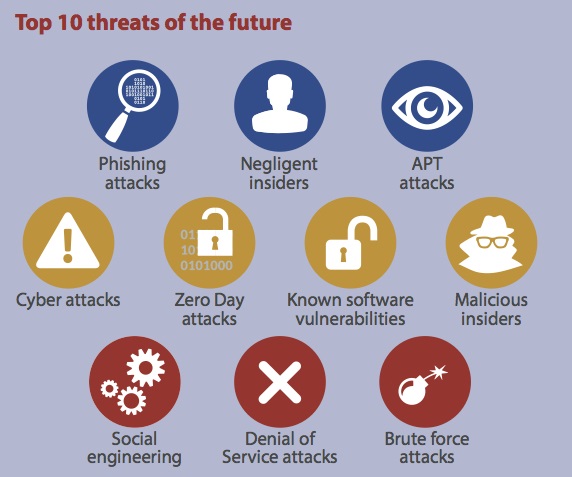
Cybercriminals are constantly developing new ways to exploit businesses through phishing attacks, ransomware, malware, social engineering, and data breaches. Unfortunately, many cyber incidents occur not because of weak software, but because employees unknowingly make mistakes that expose systems to threats.
This is why cybersecurity training has become essential for every modern workplace. Employees are now the first line of defense against cyberattacks, making awareness and education critical components of organizational security.
The Growing Threat of Cybercrime
Cybercrime is increasing globally across businesses of every size.
Organizations face risks such as:
- Data breaches
- Financial fraud
- Identity theft
- Operational disruption
- Reputation damage
- Loss of customer trust
Small businesses are especially vulnerable because many lack strong cybersecurity systems or training programs.
Cyberattacks can result in severe financial losses and long-term operational challenges.
Why Employees Are Often Targeted
Cybercriminals frequently target employees because human error is easier to exploit than advanced security systems.
Common employee-related vulnerabilities include:
- Weak passwords
- Clicking malicious links
- Opening infected attachments
- Sharing sensitive information carelessly
- Falling for phishing scams
Without proper training, even experienced employees may unknowingly expose business systems to attackers.
What Cybersecurity Training Teaches
Effective cybersecurity training helps employees understand how to identify and respond to digital threats.
Training programs often cover:
- Phishing awareness
- Password security
- Safe internet usage
- Email security
- Device protection
- Social engineering prevention
- Data handling practices
- Incident reporting procedures
Practical training helps employees develop safer digital habits.
The Importance of Password Security
Weak passwords remain one of the biggest cybersecurity risks.
Employees should learn:
- How to create strong passwords
- Why password reuse is dangerous
- The importance of password managers
- How multi-factor authentication works
Strong authentication systems significantly reduce unauthorized access risks.
Phishing Attacks and Social Engineering
Phishing attacks are among the most common cyber threats.
Attackers often send fake emails designed to:
- Steal login credentials
- Distribute malware
- Trick employees into sharing information
Cybersecurity training helps employees recognize suspicious messages and avoid dangerous interactions.
Remote Work and Cybersecurity Risks
Remote and hybrid work environments have increased cybersecurity challenges.
Employees working from home may use:
- Unsecured Wi-Fi networks
- Personal devices
- Weak security settings
Training programs should address safe remote work practices to reduce vulnerabilities.
Building a Security Culture
Cybersecurity is not just the responsibility of IT departments. Every employee plays a role in protecting business systems.
Organizations should create a security-focused culture where employees:
- Report suspicious activities quickly
- Follow security policies consistently
- Understand the importance of data protection
Strong security culture improves overall resilience.
The Financial Benefits of Training
Investing in cybersecurity training can save businesses significant money by reducing:
- Data breach costs
- Recovery expenses
- Legal penalties
- Operational downtime
Preventing attacks is often far less expensive than responding to them.
Compliance and Regulatory Requirements
Many industries now require businesses to implement cybersecurity awareness programs.
Privacy regulations often expect organizations to:
- Protect customer information
- Prevent unauthorized access
- Train employees on data protection responsibilities
Training supports broader compliance efforts.
Conclusion
Cybersecurity training is no longer optional in modern workplaces. As cyber threats continue evolving, businesses must equip employees with the knowledge and skills needed to recognize and prevent attacks.
Organizations that prioritize cybersecurity awareness can reduce risks, protect sensitive information, maintain customer trust, and strengthen long-term business resilience. In today’s connected world, informed employees are one of the most powerful cybersecurity defenses a business can have.