- May 20, 2026
- Posted by: SouTech Team
- Category: Others
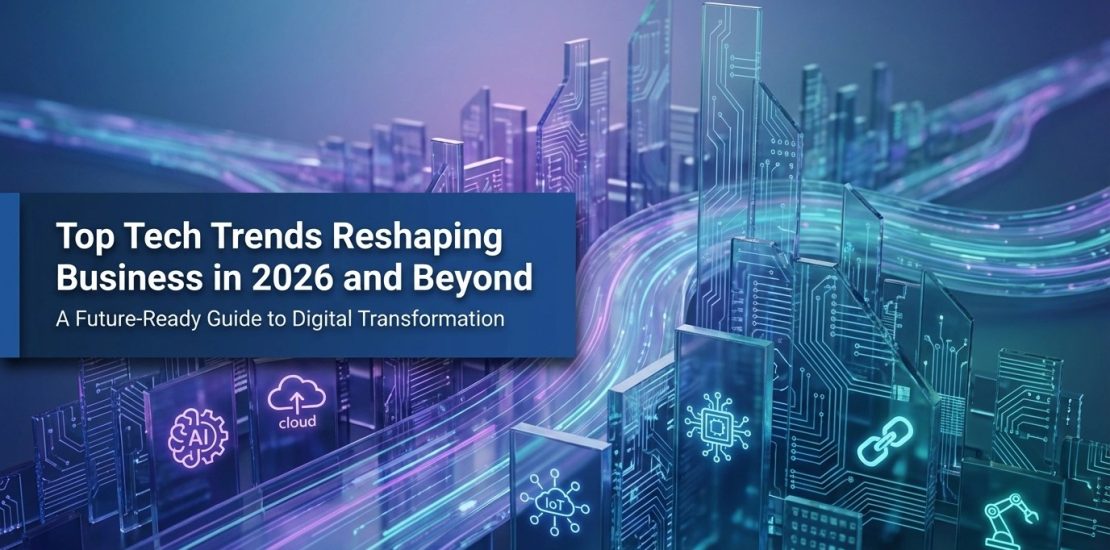
Top Technology Trends Reshaping Businesses in 2026
Introduction
Technology continues to evolve at an incredible pace, transforming how businesses operate, communicate, compete, and deliver value to customers. In 2026, companies across every industry are embracing digital innovation to improve efficiency, strengthen cybersecurity, enhance customer experiences, and remain competitive in rapidly changing markets.
From artificial intelligence and cloud computing to automation and cybersecurity advancements, technology trends are redefining business operations globally. Organizations that adapt quickly are discovering new opportunities for growth, while those that resist change risk falling behind.
Understanding the top technology trends reshaping businesses in 2026 is essential for leaders, entrepreneurs, and professionals seeking long-term success in the digital economy.
Artificial Intelligence Is Becoming Mainstream
Artificial intelligence has moved far beyond experimental technology. In 2026, AI is becoming a core business tool used for automation, analytics, customer support, and decision-making.
Businesses now use AI for:
- Predictive analytics
- Customer behavior analysis
- Personalized marketing
- Fraud detection
- Chatbots and virtual assistants
- Automated workflows
AI helps organizations process massive amounts of information quickly and make smarter decisions based on data. One major advantage of AI is improved productivity. Tasks that previously required hours of manual work can now be completed automatically, allowing employees to focus on strategic responsibilities. However, businesses must also address ethical concerns such as data privacy, algorithm bias, and job displacement.
Cybersecurity Is a Top Business Priority
As cyber threats become more advanced, businesses are investing heavily in cybersecurity technologies and training.
Cyberattacks can lead to:
- Financial losses
- Data breaches
- Reputational damage
- Operational disruptions
Organizations are implementing stronger security measures such as:
- Multi-factor authentication
- Zero-trust security models
- AI-powered threat detection
- Cloud security systems
- Employee cybersecurity training
Cybersecurity is no longer only an IT responsibility. It has become a company-wide priority affecting every department.
Cloud Computing Continues to Expand
Cloud computing remains one of the most important technology trends shaping modern businesses.
Cloud-based systems provide:
- Scalability
- Flexibility
- Remote accessibility
- Reduced infrastructure costs
- Improved collaboration
Businesses increasingly prefer hybrid and multi-cloud strategies because they offer better reliability and performance.
Cloud technology also supports remote work environments, allowing employees to access tools and data securely from anywhere.
Automation Is Improving Operational Efficiency
Automation is transforming industries by reducing repetitive manual tasks and improving operational speed.
Businesses are automating:
- Customer service processes
- Data entry tasks
- Inventory management
- Marketing campaigns
- Financial reporting
Automation helps organizations reduce human error while increasing efficiency and productivity.
Industries such as manufacturing, healthcare, retail, and finance are already seeing major benefits from intelligent automation systems.
Data Analytics Is Driving Better Decisions
Data has become one of the most valuable business assets in the digital age.
Organizations are using advanced analytics tools to:
- Understand customer behavior
- Monitor performance
- Predict market trends
- Improve decision-making
- Optimize operations
Businesses that leverage data effectively can respond faster to changes and identify growth opportunities earlier.
Remote and Hybrid Work Technology Is Growing
The workplace has changed dramatically in recent years. Remote and hybrid work models are now permanent parts of many organizations.
Businesses are investing in:
- Video conferencing platforms
- Collaboration software
- Cloud storage solutions
- Cybersecurity for remote workers
- Digital project management tools
Flexible work technology improves employee productivity and supports global collaboration.
The Rise of Digital Skills Training
Technology adoption requires skilled employees.
Businesses are prioritizing digital training programs to help workers adapt to:
- AI systems
- Cybersecurity tools
- Data analytics platforms
- Cloud environments
- Automation technologies
Digital literacy has become essential for career growth and organizational success.
Sustainable Technology and Green IT
Environmental sustainability is influencing technology decisions.
Businesses are adopting eco-friendly technologies such as:
- Energy-efficient data centers
- Green cloud infrastructure
- Sustainable hardware systems
- Smart energy management tools
Sustainable technology practices help companies reduce environmental impact while improving operational efficiency.
Blockchain Technology Is Expanding
Blockchain is no longer limited to cryptocurrency.
Businesses are exploring blockchain for:
- Supply chain transparency
- Secure digital transactions
- Smart contracts
- Identity verification
- Data security
Blockchain technology offers improved transparency and trust in digital systems.
Customer Experience Technology Is Advancing
Modern consumers expect personalized and seamless digital experiences.
Businesses are investing in:
- AI-powered customer support
- Personalization engines
- Omnichannel communication systems
- CRM platforms
- Real-time engagement tools
Technology-driven customer experiences help businesses improve loyalty and satisfaction.
Conclusion
Technology trends in 2026 are reshaping how businesses operate, compete, and grow. Artificial intelligence, cybersecurity, automation, cloud computing, and data analytics are driving a new era of digital transformation.
Businesses that embrace these innovations can improve efficiency, strengthen customer relationships, and remain competitive in evolving markets. However, success also requires strategic planning, employee training, and responsible technology adoption.
In today’s digital economy, staying informed about emerging technology trends is no longer optional, it is essential for long term business success.
Related posts:
 How Technology Solutions Help Businesses Improve Efficiency and Growth
 How SOUTECH Ventures Helps Businesses Scale with Smart Tech Solutions
 How to Integrate Technology into Every Aspect of Your Business
 How SOUTECH Ventures Helps Businesses Go Digital Seamlessly
 The Power of Technology Strategy in Business Planning