
- June 19, 2018
- Posted by: SouTech Team
- Category: Mobile Application Development Service and Training
No Comments

The Nigerian digital economy has entered a highly sophisticated era. From the busy tech corridors of Yaba in Lagos and the corporate boards of Abuja to the rapidly growing innovation hubs in Port Harcourt, Owerri, and Kaduna, mobile applications are no longer just optional marketing tools. They are the engine rooms of modern business operations. Consumers expect fast, secure, and hyper-reliable digital interactions. If your customers are actively demanding a dedicated mobile channel and your business has yet to deploy one, your market positioning is structurally incomplete.
For software developers, tech leads, and ambitious entrepreneurs, keeping pace with the shifting mobile landscape is critical. Legacy frameworks that dominated the ecosystem nearly a decade ago have evolved. Today, the combination of Angular and the Ionic Framework stands as one of the most powerful, cross-platform enterprise stacks for deploying native-grade applications rapidly from a single codebase.
Why the Angular and Ionic Stack Dominates the 2026/2027 Ecosystem
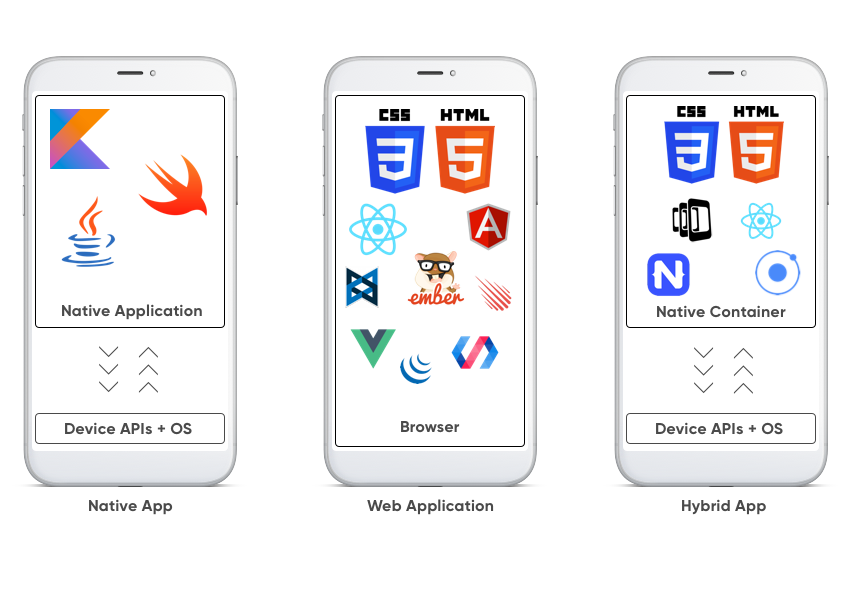
Building separate standalone applications for iOS and Android using platform-specific native languages requires massive development budgets, isolated engineering teams, and long release cycles. The modern cross-platform movement eliminates this friction.
By pairing Angular—Google’s powerhouse framework for building robust, scalable web architectures—with Ionic, developers can engineer mobile experiences that possess the raw speed, fluid gestures, and look-and-feel of purely native software. Ionic utilizes standard web technologies like HTML, CSS, and modern JavaScript/TypeScript while tapping directly into the host device’s physical hardware APIs via Capacitor. This architecture allows organizations to optimize engineering costs, launch products weeks ahead of the competition, and maintain a pristine codebase that scales efficiently as user acquisition spikes.
The Master Blueprint: Advanced Mobile Architecture Course Syllabus
Transitioning from a traditional web developer to an elite mobile app engineer requires a systematic approach to modern software architecture. Below is the comprehensive framework required to successfully master cross-platform enterprise development.
1. Fundamentals of the Modern JavaScript Ecosystem
Every reliable piece of software begins with clean execution fundamentals. Understanding the core JavaScript runtime environment, asynchronous event loops, and the structural benefits of TypeScript is essential before writing a single line of mobile code. Software development teams must grasp how progressive frameworks handle data parsing, state isolation, and memory management to prevent memory leaks on lower-end mobile devices.
2. Angular Core Concepts and Architectural Paradigm
Angular serves as the underlying engine for enterprise application structures. This phase focuses heavily on the structural mechanics of the framework:
- Project Architecture & Setup: Managing modular source directories, setting up environments, and executing tasks using the Angular CLI.
- Components & Templates: Isolating view layers from business logic to write highly reusable layout elements.
- Interpolation & Data Binding: Mastering structural directives, attribute properties, and bidirectional data flows.
- Advanced Pipes & Routing: Transforming data formats directly within views and building sophisticated client-side navigation matrices.
- Dependency Injection & HTTP Services: Structuring clean data-fetching mechanisms to smoothly stream information from remote backend REST APIs.
3. Deep Dive into Ionic Framework Architecture
Once the core web tier is established, the application must be adapted for a mobile canvas using Ionic’s adaptive ecosystem:
- The Ionic CLI: Leveraging powerful terminal commands to scaffold screens, generate services, and coordinate local emulation devices.
- Native-Mimicking UI Components: Implementing highly optimized native interfaces including interactive cards, infinite scroll list views, and sleek floating action buttons.
- Mobile Navigation Frameworks: Handling complex mobile design behaviors such as deep-linking, contextual modal overrides, popovers, and sticky tab controllers.
- Advanced Touch Gestures & Theming: Customizing CSS variables to craft personalized brand identities that automatically match system-wide light and dark mode preferences.
4. Enterprise Integrations & Hardware Accessibility
Production-ready mobile applications must interact directly with physical hardware components and external cloud databases. Developers learn how to handle real-world scenarios:
- Consuming Complex API Gateways: Injecting interceptors into HTTP workflows to manage secure authorization headers, JSON web tokens (JWT), and user authentication states.
- Cloud Data Management (Firebase Integration): Crafting real-time distributed synchronization systems and building structured Create, Read, Update, and Delete (CRUD) pipelines for offline-first support.
- Hardware APIs: Wiring up cross-platform native plugins to trigger biometric authentication (Face ID/Fingerprint scanners), capture photos via the device camera, and stream precision live location data using GPS.
5. Production Optimization, Compilation, and Play Store Deployment
An application is only as good as its deployment pipeline. The final phase of engineering focuses on moving from a local testing server to global app stores:
- Optimizing App Resources: Designing responsive splash screens and adaptive app icons tailored perfectly for varying Android and iOS pixel densities.
- Production Level Compilations: Executing ahead-of-time (AOT) compilation tasks and code minification protocols to significantly shrink build sizes.
- Google Play Console Navigation: Packaging code into optimized Android App Bundles (.aab), generating secure cryptographic signing keystores, navigating privacy policy declarations, and pushing live builds into public production tracks.
Direct Service Matrix for Nigerian Businesses and Teams
Deploying software into the wild comes with distinct regional challenges—including varying network bandwidth constraints and diverse device performance capabilities. To ensure your digital initiatives launch successfully, look for specialized, end-to-end technical interventions:
| Professional Service | Core Operational Deliverables |
|---|---|
| 🚀 End-to-End Development | Engineering custom, high-velocity mobile applications tailored for local scale, optimized to perform beautifully even on lower-end devices and fluctuating network connections. |
| 💡 Enterprise Consulting | Designing scalable system architectures, auditing technical stacks, selecting ideal development frameworks, and formulating robust cloud-infrastructure strategies. |
| 🔍 Code & Security Auditing | Performing rigorous technical code reviews to eliminate performance bottlenecks, refactor legacy logic, optimize data payloads, and fortify security protocols against potential breaches. |
| 🎓 Corporate Tech Training | Providing intensive, practical masterclasses led by veteran engineers to upskill web developers into elite, cross-platform mobile application architects. |
Engineered for Real-World Success
High-quality mobile app training programs and consultancy partnerships must focus heavily on practical application rather than just conceptual theory. Premium training ecosystems prioritize structural advantages designed to deliver measurable career and business results:
- 10+ Capstone Portfolio Projects: Building real-life, production-grade applications during training—including functional e-commerce storefronts, data-driven utility platforms, and real-time dashboard systems—to establish deep, practical experience.
- Rigorous Multi-Week Mentorship: Offering extended post-training access to senior engineering facilitators to help troubleshoot complex, real-world deployment bugs as they occur.
- CV-Ready Professional Certification: Providing verifiable, formal corporate credentials upon completion that significantly validate technical expertise inside the competitive global job market.
- Premium Interactive Classrooms: Delivering fully air-conditioned, highly interactive learning spaces equipped with necessary software tools, comprehensive multimedia learning assets, and complete session audio recordings for seamless self-paced review.
- Direct Career Placement Support: Connecting elite graduates with vetted software companies, tech startups, and corporate partners seeking immediate developer talent.
Secure Your Competitive Advantage
The speed of technical innovation moves incredibly fast. Waiting for your competitors to corner the digital market before upgrading your infrastructure or expanding your engineering skills is a high-risk strategy. Take proactive action to advance your tech stack or train your engineering unit today.
To help align this strategy precisely with your goals for 2026/2027, please tell me:
- Are you primarily focusing on training an internal corporate dev team, or do you need to outsource a full custom app build?
- Should we expand the syllabus further to highlight Capacitor integration or focus on specific backend integrations like Node.js or Python?
- Would you like this long-form article formatted into a downloadable PDF brochure or Markdown file?
adapt the article to this The top hybrid and cross-platform mobile app development frameworks in 2026 are React Native, Flutter, Ionic with Capacitor, and Kotlin Multiplatform (KMP). Top Frameworks at a Glance • React Native (by Meta) • Language: JavaScript / TypeScript (React) • How it works: Renders real native UI components rather than drawing on a custom canvas. • Best for: Teams with existing React or web development skills, tapping into a massive JavaScript talent pool, and leveraging mature tooling like Expo. • Key advantage: Benefiting from major performance and architectural upgrades via Meta’s “New Architecture” rollout. • Flutter (by Google) • Language: Dart • How it works: Compiles natively and draws UI components directly using its own high-speed rendering engine. • Best for: Pixel-perfect, heavily branded, custom UIs that need to look identical across iOS, Android, web, and desktop. • Key advantage: Rapid development with hot reload, strong enterprise scaling, and an expansive widget ecosystem through Flutter.dev. • Ionic + Capacitor • Language: HTML, CSS, JavaScript (Angular, React, or Vue) • How it works: Wraps standard web applications inside a native bridge (Capacitor) to run on mobile devices. • Best for: Web development teams looking for the fastest and most cost-effective path to launch mobile apps or Progressive Web Apps (PWAs). • Key advantage: Allows you to develop and debug 99% of your app directly inside standard desktop browser developer tools. • Kotlin Multiplatform (KMP) & Compose Multiplatform • Language: Kotlin • How it works: Shares core business logic, networking, and data layers across platforms while letting you write native UI (SwiftUI or Jetpack Compose) or shared Compose UI. • Best for: Native mobile teams wanting to share code without compromising on native UI performance or platform feel. • Key advantage: Growing stability and backing from JetBrains for cross-platform expansion. How to Choose the Right Framework • Choose React Native if your team already writes React and you want rich plugin access. • Choose Flutter if you need strict visual consistency, custom animations, and cross-device design control. • Choose Ionic + Capacitor if you are a web-first team trying to ship a mobile app with minimal native overhead. • Choose Kotlin Multiplatform if you prefer a native architecture but want to reuse business logic across iOS and Android.
Enterprise Mobile App Development in Nigeria (2026/2027 Edition): Navigating the Modern Cross-Platform & Hybrid Ecosystem
The Nigerian digital economy has entered a highly sophisticated era. From the busy tech corridors of Yaba in Lagos and the corporate boards of Abuja to the rapidly growing innovation hubs in Port Harcourt, Owerri, and Kaduna, mobile applications are no longer just optional marketing tools. They are the engine rooms of modern business operations. Consumers expect fast, secure, and hyper-reliable digital interactions. If your customers are actively demanding a dedicated mobile channel and your business has yet to deploy one, your market positioning is structurally incomplete.
For software developers, tech leads, and ambitious entrepreneurs, keeping pace with the shifting mobile landscape is critical. Legacy frameworks that dominated the ecosystem nearly a decade ago have evolved. Today, choosing the right mobile development framework requires understanding the technological shifts that define the global and local software industry. Organizations must look beyond outdated models to leverage modern cross-platform and hybrid architectures that deliver native-grade speed from optimized engineering workflows.
The Landscape: Top Hybrid and Cross-Platform Frameworks at a Glance
Building separate standalone applications for iOS and Android using platform-specific native languages requires massive development budgets, isolated engineering teams, and long release cycles. The modern mobile engineering movement eliminates this friction. In 2026/2027, four dominant framework ecosystems stand at the forefront of enterprise mobile development, each offering distinct architectural approaches to suit different team capabilities and product requirements.
1. React Native (by Meta)
- Language: JavaScript / TypeScript (React)
- How it Works: Renders real native UI components rather than drawing layouts on a custom canvas.
- Best For: Engineering teams with existing React or web development skillsets looking to tap into a massive JavaScript talent pool while leveraging mature ecosystem tooling like Expo.
- Key Advantage: Applications benefit from major performance and architectural upgrades powered by Meta’s fully realized “New Architecture” rollout, which delivers synchronous UI threading and streamlined native bridges.
2. Flutter (by Google)
- Language: Dart
- How it Works: Compiles code natively to machine code and draws UI components directly onto the screen using its own high-speed rendering engine.
- Best For: Highly stylized, heavily branded, custom user interfaces that need to look pixel-perfect and identical across iOS, Android, web, and desktop environments.
- Key Advantage: Enables rapid feature iterations through stateful hot reload, boasts robust enterprise scaling patterns, and provides an expansive widget ecosystem supported directly by Flutter.dev.
3. Ionic + Capacitor
- Language: HTML, CSS, JavaScript (with Angular, React, or Vue)
- How it Works: Wraps standard web applications inside a highly optimized native bridge (Capacitor) to run seamlessly on mobile devices.
- Best For: Web-first development teams searching for the fastest, most cost-effective, and efficient path to launch mobile apps or Progressive Web Apps (PWAs) from a unified digital stack.
- Key Advantage: Maximizes developer efficiency by allowing teams to build, test, and debug up to 99% of the application code directly inside standard desktop browser developer tools.
4. Kotlin Multiplatform (KMP) & Compose Multiplatform
- Language: Kotlin
- How it Works: Shares core business logic, background networking, and secure data layers across platforms while giving developers the choice to write pure native UIs (SwiftUI or Jetpack Compose) or leverage shared Compose UI.
- Best For: Native mobile engineering teams wanting to share code across platforms without compromising on raw native execution performance or true platform-specific design languages.
- Key Advantage: Benefits from growing enterprise stability and heavy strategic backing from JetBrains for robust cross-platform software expansion.
Strategic Decision Matrix: How to Choose the Right Framework
Selecting a technology stack requires a balance between your current engineering skills, project requirements, and timeline constraints.
- Choose React Native if your development team already actively writes React code, and your product design requires rich, plug-and-play access to an exhaustive library of third-party native device plugins.
- Choose Flutter if your application demands strict visual consistency across different devices, intricate custom animations, and complete control over cross-device design patterns.
- Choose Ionic + Capacitor if you operate a web-first engineering team trying to build and ship an agile mobile application with minimal native overhead, rapid prototyping requirements, and lower initial development costs.
- Choose Kotlin Multiplatform if your architecture team prefers a native development lifecycle but wants to heavily reuse core business rules, database structures, and backend connectivity logic across both iOS and Android.
The Master Blueprint: Advanced Mobile Architecture Syllabus
Transitioning from basic software design to elite cross-platform engineering requires a systematic approach to modern software architecture. Below is the comprehensive structural framework required to successfully master enterprise-level cross-platform development.
1. Architectural Setup and Project Infrastructure
Every reliable piece of software begins with clean execution fundamentals. Understanding directory scaffolding, task automation, and environment isolation is essential before writing a single line of code. Software engineering teams must grasp how modern bundlers handle data parsing, state isolation, and bundle optimization to ensure apps run smoothly on diverse mobile devices.
2. UI Layout Engineering and Component Lifecycles
Managing user views requires a strong understanding of responsive layouts and data states:
- Layout Engines: Mastering flexbox structures, responsive grids, or declarative layout composables to ensure designs adapt across varying device screens.
- Component Architecture: Isolating visual view layers from underlying business rules to write highly reusable, modular layout modules.
- Data Binding Frameworks: Handling structural directives, unidirectional data flows, and attribute properties cleanly within application components.
- Navigation & Routing Matrices: Setting up sophisticated routing paths, structural link strategies, and stable page navigation models.
3. State Management and External Integration
Once the visual tier is stable, applications must manage complex real-time data data-flows:
- State Containers: Implementing predictable data stores to handle local application information smoothly.
- API Gateway Consumption: Constructing robust data-fetching mechanics to stream information securely from remote backend REST APIs or GraphQL endpoints.
- Token Security: Designing interceptors to manage secure authorization headers, JSON web tokens (JWT), and user authentication states.
4. Native Bridge and Hardware Capabilities
Production-ready mobile applications must interact directly with physical hardware components and external cloud systems. Developers learn how to handle real-world deployment challenges:
- Hardware API Integrations: Wiring up platform plugins or native bridges to trigger biometric authentication (Face ID or fingerprint scanners), capture media via the device camera, and stream precision live location data using GPS.
- Real-Time Data Management: Crafting distributed data synchronization systems and building structured Create, Read, Update, and Delete (CRUD) pipelines with strong offline-first capabilities.
5. Production Optimization and Play Store Deployment
An application is only as good as its deployment pipeline. The final phase of engineering focuses on moving from local code to global app stores:
- Optimizing App Resources: Designing responsive splash screens and adaptive app icons tailored perfectly for varying Android and iOS pixel densities.
- Production Level Compilations: Executing ahead-of-time (AOT) compilation tasks, tree-shaking, and code minification protocols to significantly shrink build sizes.
- Google Play Console Navigation: Packaging code into optimized Android App Bundles (.aab), generating secure cryptographic signing keystores, navigating privacy policy declarations, and pushing live builds into public production tracks.
Direct Service Matrix for Nigerian Businesses and Teams
Deploying software into the wild comes with distinct regional challenges—including varying network bandwidth constraints and diverse device performance capabilities. To ensure your digital initiatives launch successfully, look for specialized, end-to-end technical interventions:
| Professional Service | Core Operational Deliverables |
|---|---|
| 🚀 End-to-End Development | Engineering custom, high-velocity mobile applications tailored for local scale, optimized to perform beautifully even on lower-end devices and fluctuating network connections. |
| 💡 Enterprise Consulting | Designing scalable system architectures, auditing technical stacks, selecting ideal development frameworks, and formulating robust cloud-infrastructure strategies. |
| 🔍 Code & Security Auditing | Performing rigorous technical code reviews to eliminate performance bottlenecks, refactor legacy logic, optimize data payloads, and fortify security protocols against potential breaches. |
| 🎓 Corporate Tech Training | Providing intensive, practical masterclasses led by veteran engineers to upskill web developers into elite, cross-platform mobile application architects. |
Engineered for Real-World Success
High-quality mobile app training programs and consultancy partnerships must focus heavily on practical application rather than just conceptual theory. Premium training ecosystems prioritize structural advantages designed to deliver measurable career and business results:
- 10+ Capstone Portfolio Projects: Building real-life, production-grade applications during training—including functional e-commerce storefronts, data-driven utility platforms, and real-time dashboard systems—to establish deep, practical experience.
- Rigorous Multi-Week Mentorship: Offering extended post-training access to senior engineering facilitators to help troubleshoot complex, real-world deployment bugs as they occur.
- CV-Ready Professional Certification: Providing verifiable, formal corporate credentials upon completion that significantly validate technical expertise inside the competitive global job market.
- Premium Interactive Classrooms: Delivering fully air-conditioned, highly interactive learning spaces equipped with necessary software tools, comprehensive multimedia learning assets, and complete session audio recordings for seamless self-paced review.
- Direct Career Placement Support: Connecting elite graduates with vetted software companies, tech startups, and corporate partners seeking immediate developer
Related posts:
 Native Mobile App Development
Mobile Application Development Solution and Training Company in Abuja, Nigeria
 Choose A Framework for Your Next Hybrid Mobile Application Development Project
 Become a mobile application development expert – Learn with Soutech
 How to become a mobile application development expert- SOUTECH Ventures